On taking an architecture class
I’ve always had a deep appreciation for architecture: the geometry, the structure, the ideas behind it, as well as the history and cultural context of buildings in all their forms. Some of my old friends may still remember that I used to be especially interested in photographing buildings on the street, whether in the narrow alleys of Tsim Sha Tsui in Hong Kong or in the bustling downtown areas of Boston.
About a year ago, while I was still in school, I took an introductory course in the architecture department (ARCH 171). The class was essentially an introduction to what "Design" means for students interested in architecture. 9 years before this class, I was working as a freelance designer–doing UI, interaction design, and branding for small companies–and I thought immersing myself in design from scratch like this, should be a fun experience. It turned out to be exactly that. I genuinely enjoyed spending time with the younger peers and seeing the creativity that emerged during our presentations.
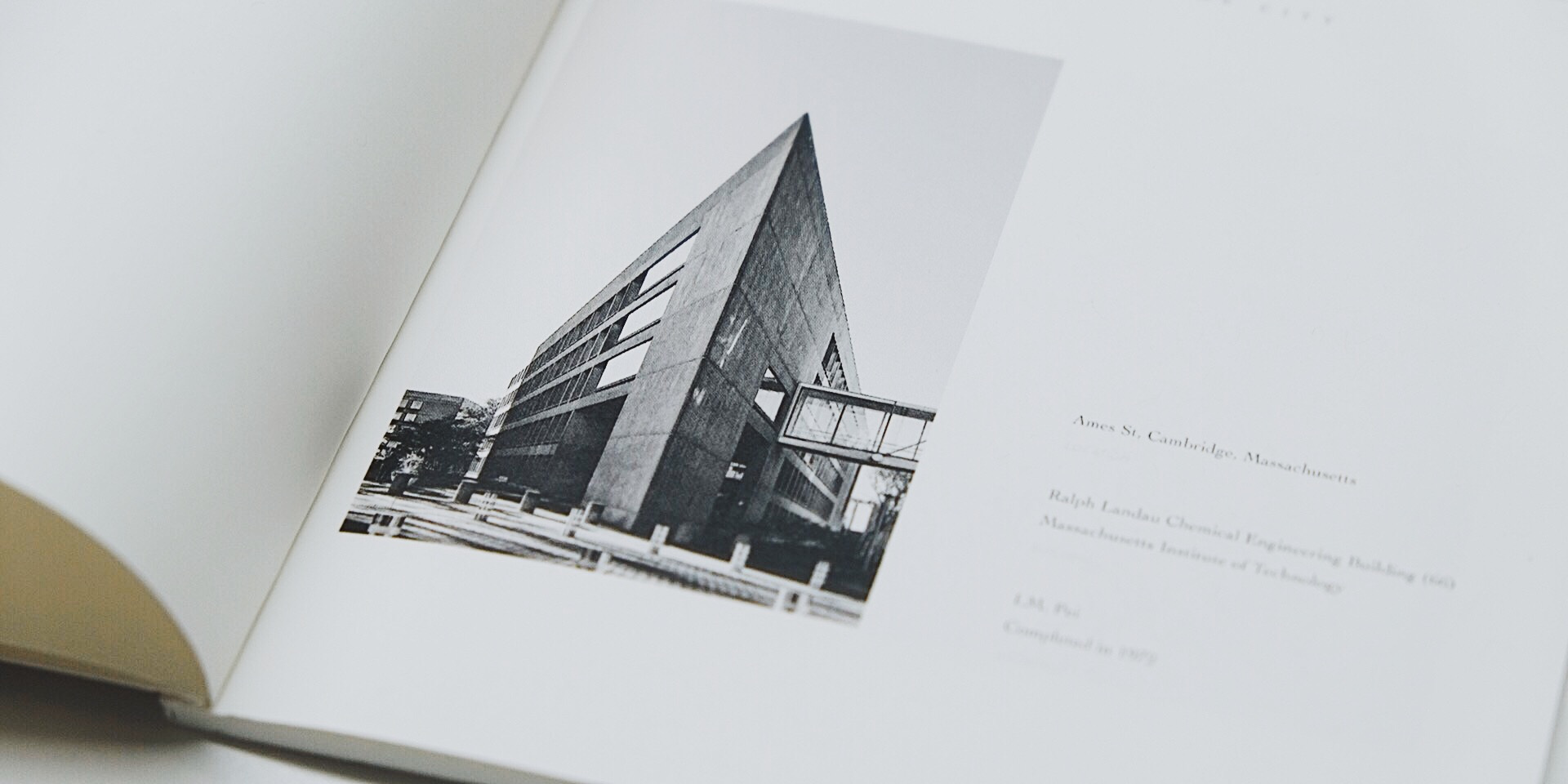
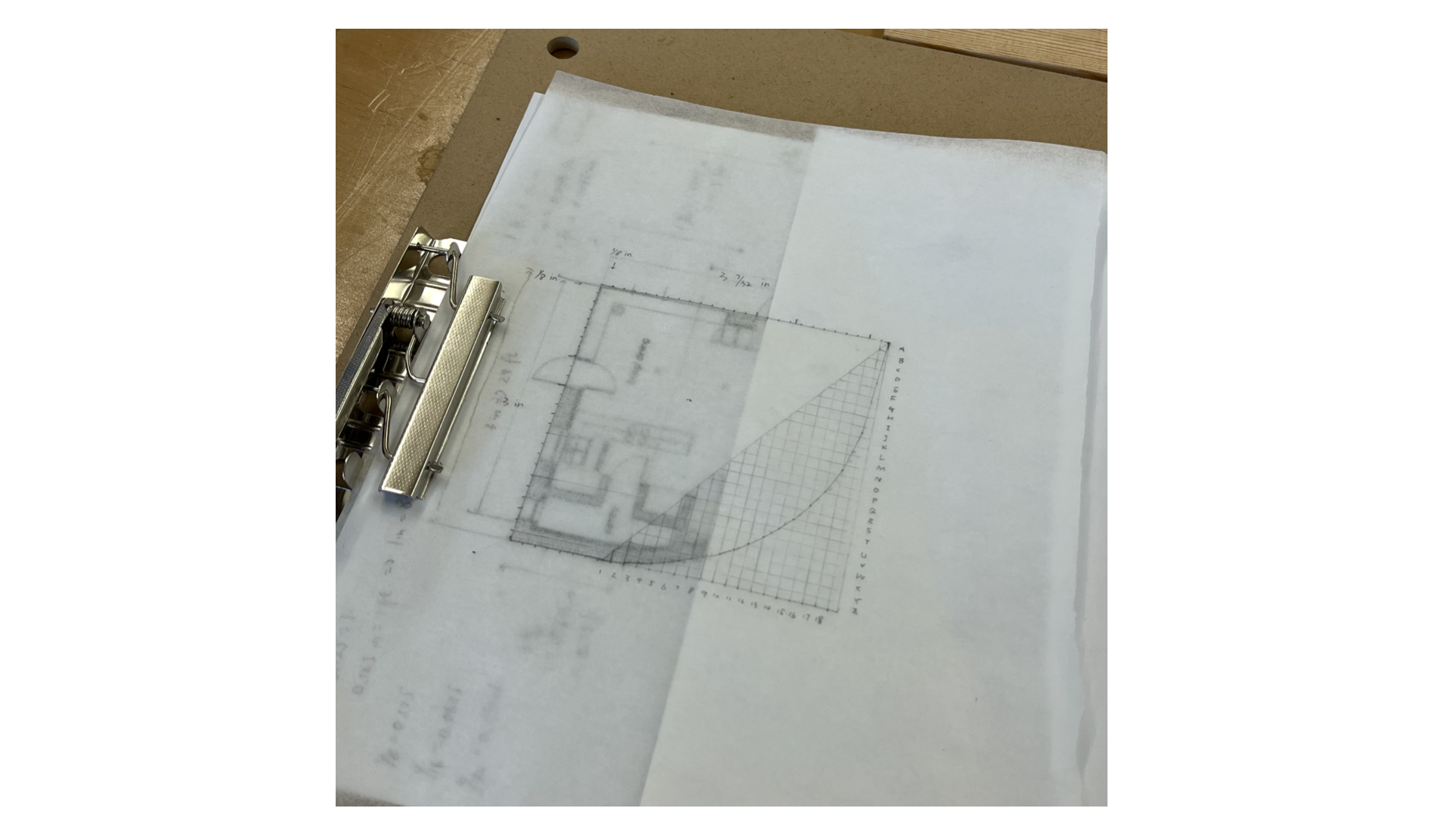
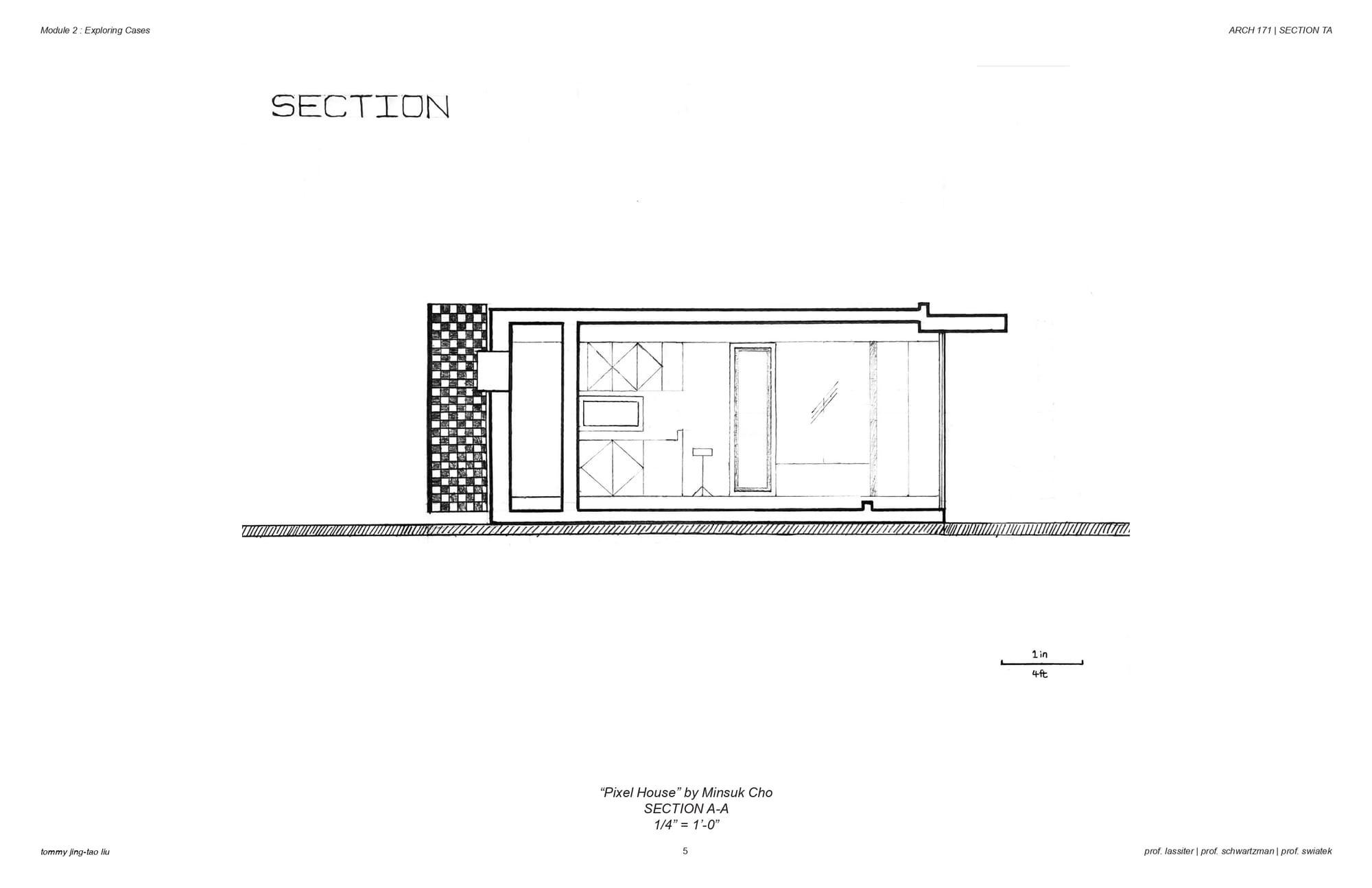
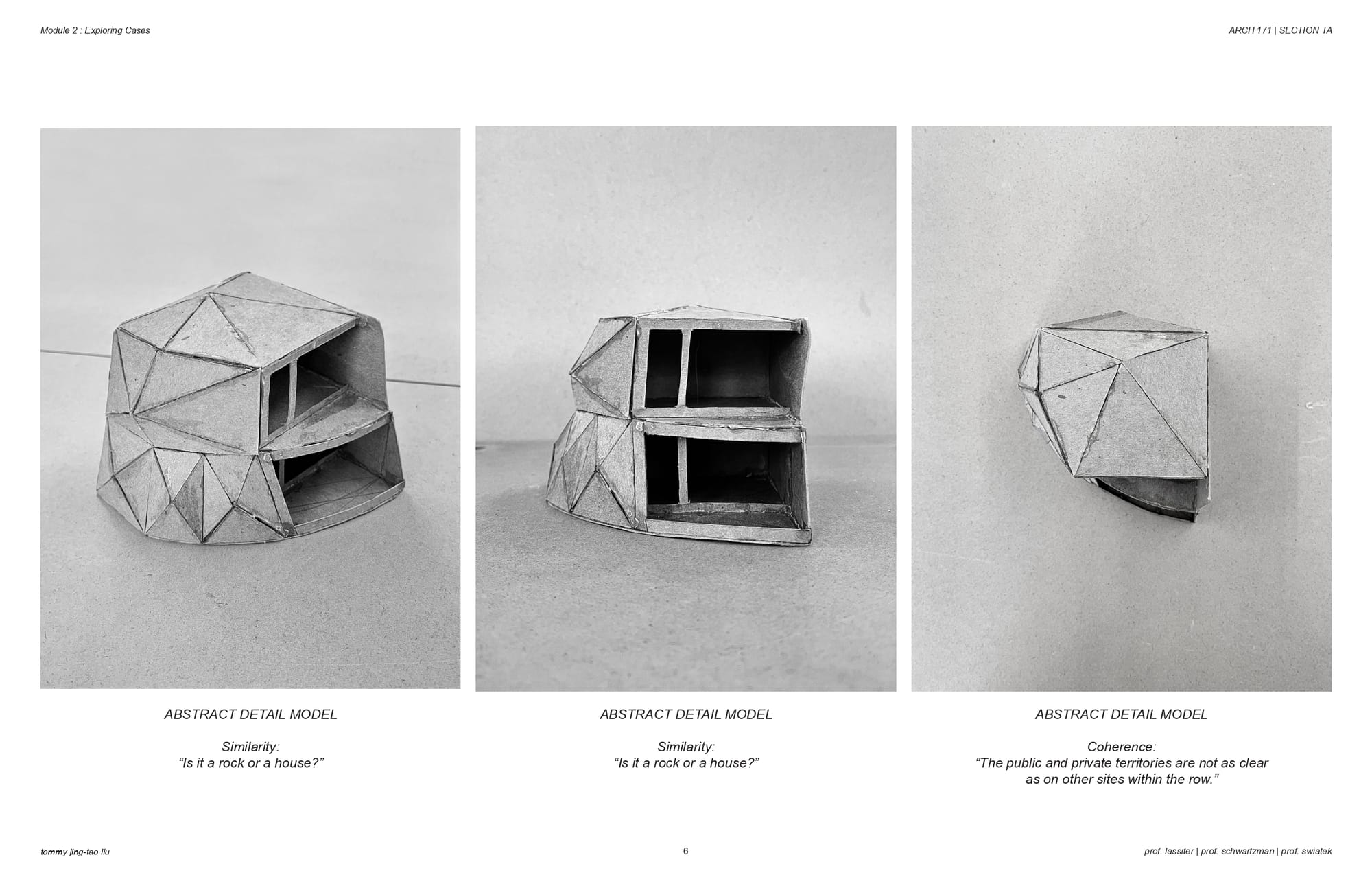
About two weeks into the class, I remember one afternoon after studio time when two professors came over to our group’s table. It was our first assignment. We were each assigned an existing architectural project by a well-known architect. Based only on observation, we had to draw architectural plans and then build a model that represents the idea/implication of the project. After briefly walking the professors through my process, they became interested in my draft, where I used a grid system to estimate and construct the curve of the building’s façade, essentially integrating curvature through a structured grid. They asked what year I was in, what my major was, and then said something along the lines of, “You should study architecture.”
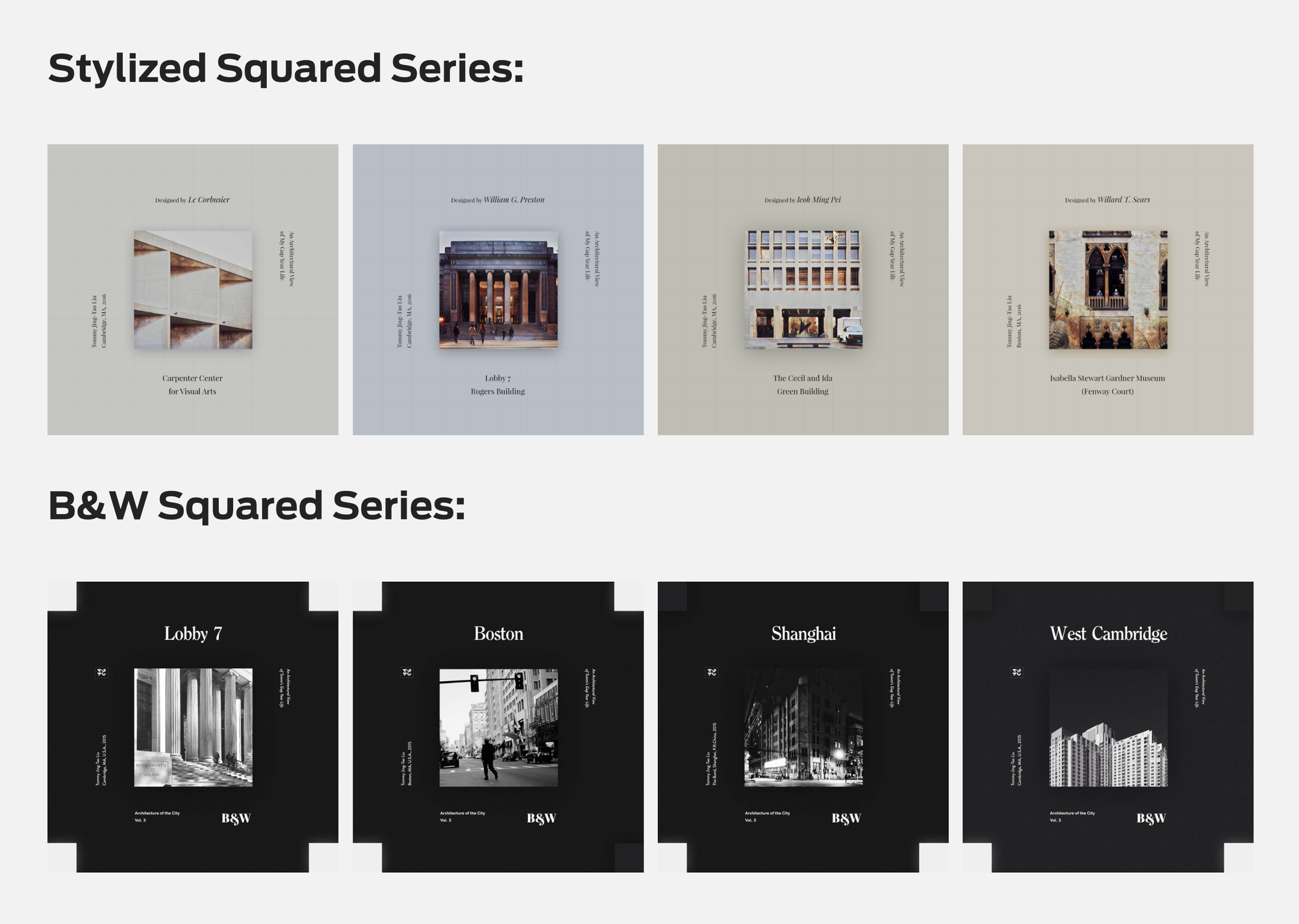
I was very, very inspired by that moment. At one point in my life, I truly did dream of studying architecture. I still remember traveling along the East Coast about ten years ago, photographing buildings designed by my favorite architects–works by Le Corbusier and I. M. Pei around the Cambridge area. Although my life path has taken a different direction, simply being able to appreciate how powerful and beautiful architecture can be still means a lot to me. And for now, that feels like enough.
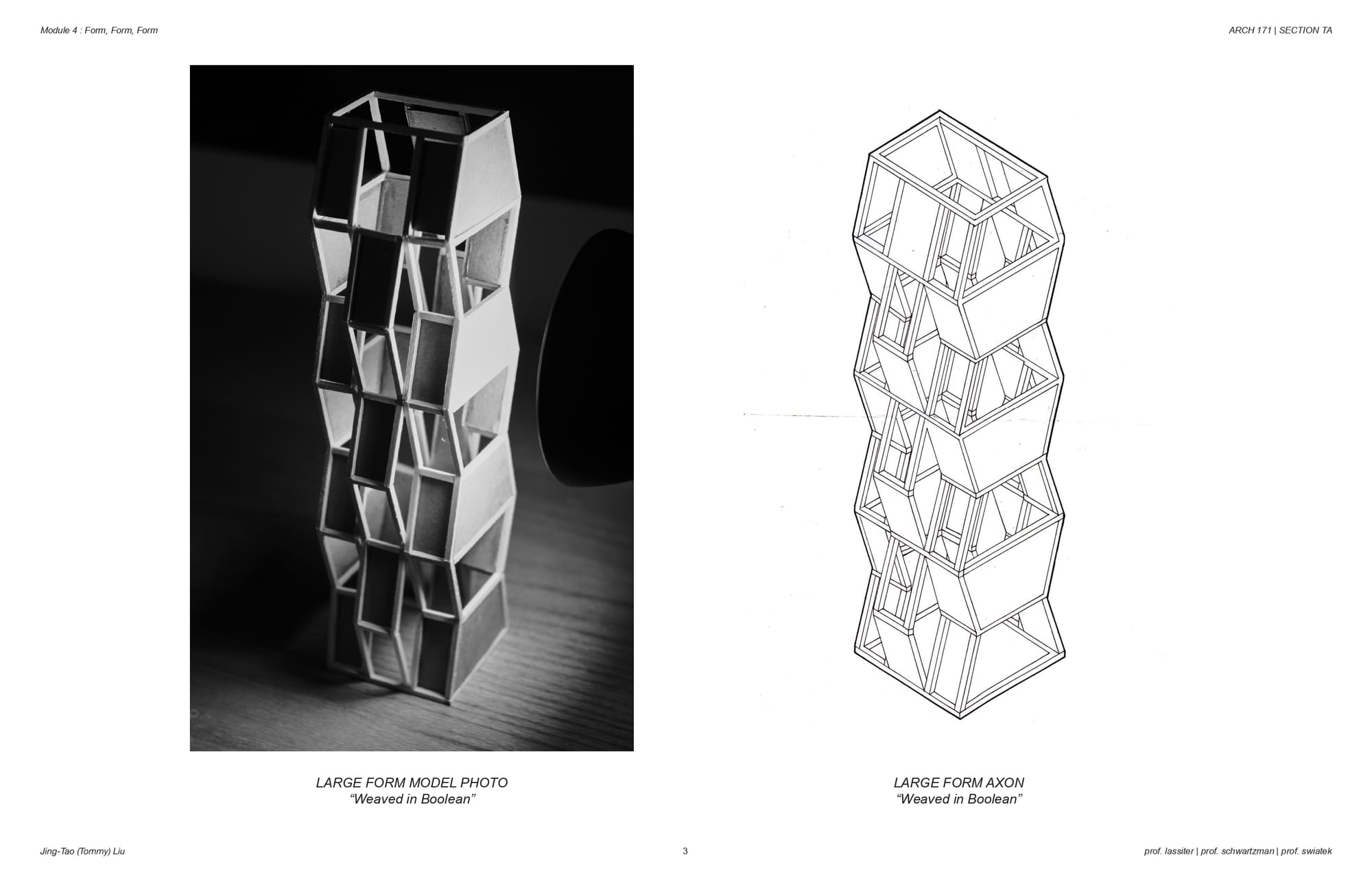
Now let's get to the work. All of them shown here was created about a year ago, and the only reason I decided to write these thoughts down is because I genuinely loved what I designed, and I did it from scratch. There were no AI tools involved, just me, my thoughts, and my passion. I wanted to document it here as a small homage to a dream I once had.
The class itself offered a glimpse into what an architectural education feels like, especially at a school known for its strong architecture program. The two major assignments were structured around a midterm review and a final review, and each required presenting our work in front of both students and professors. I really enjoyed this in-person presentation style.
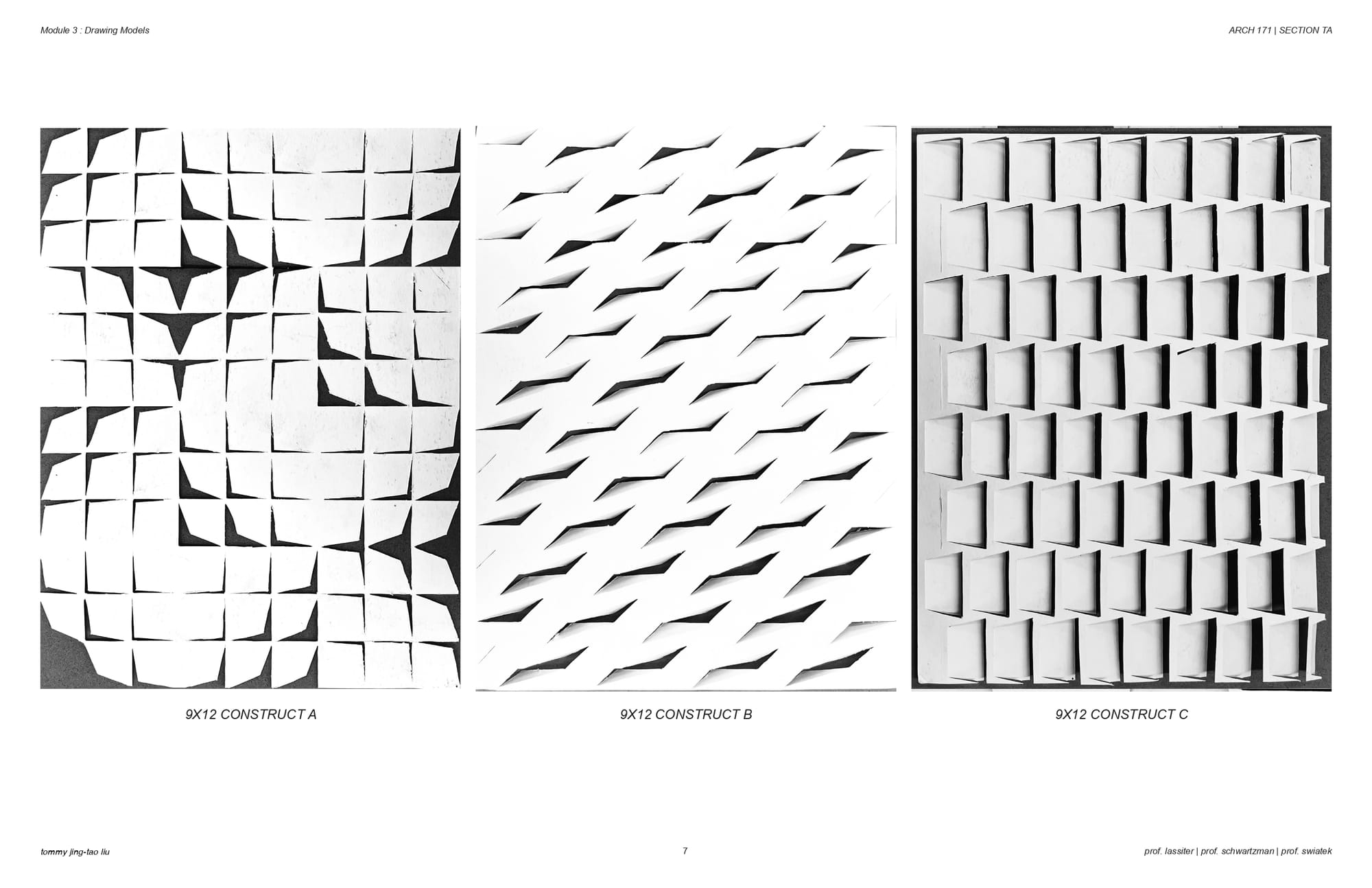
Midterm Review
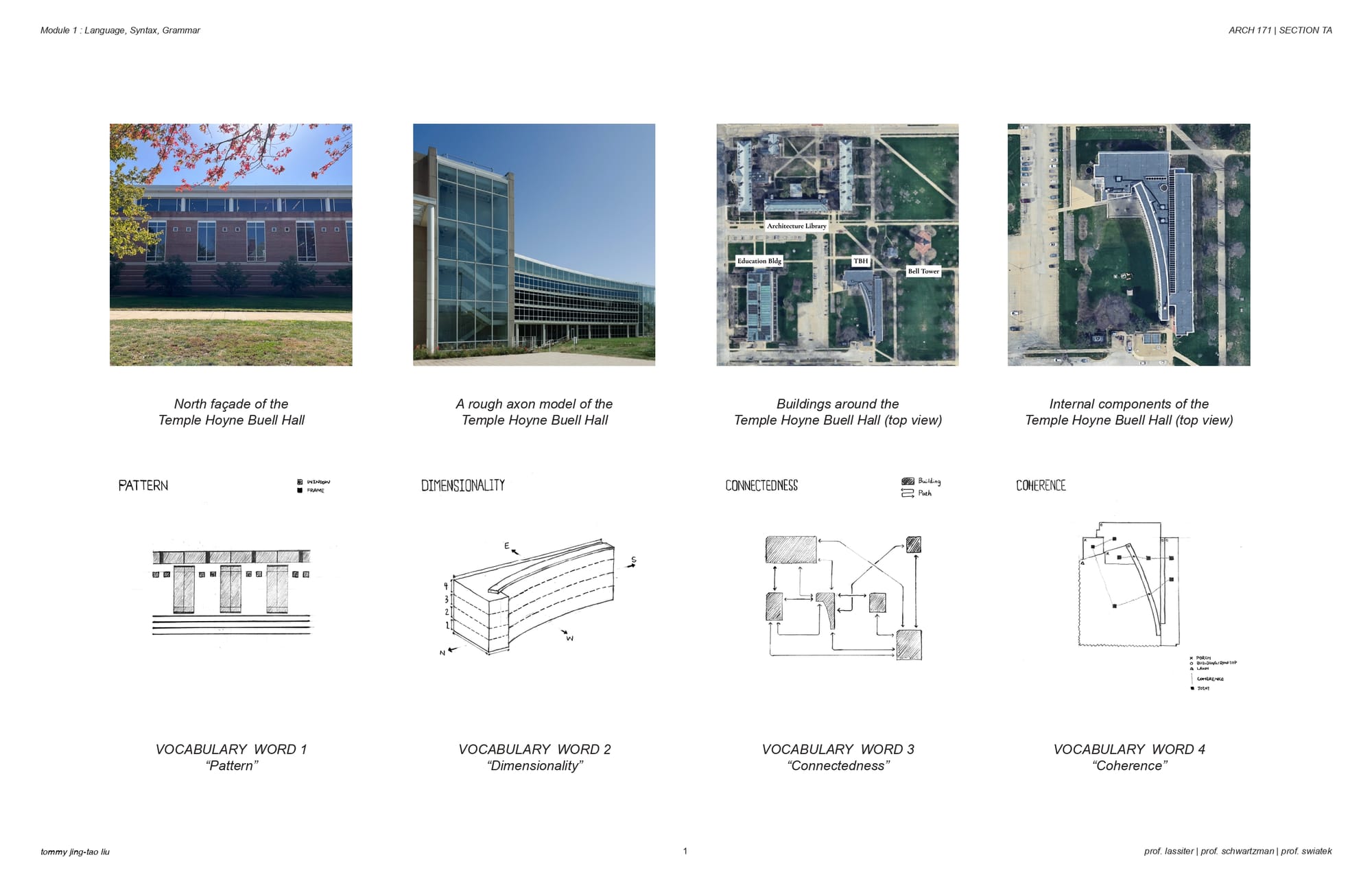
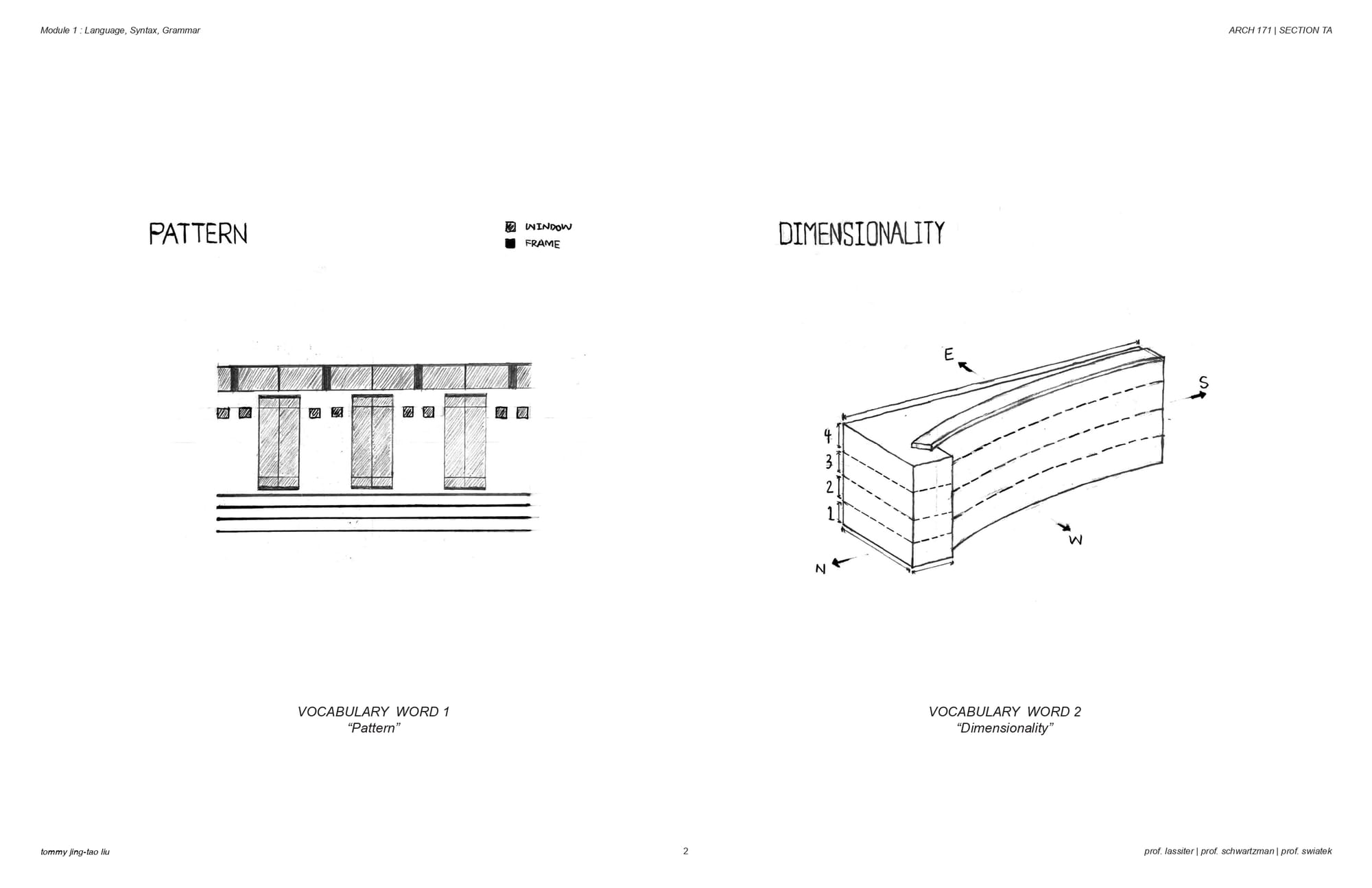
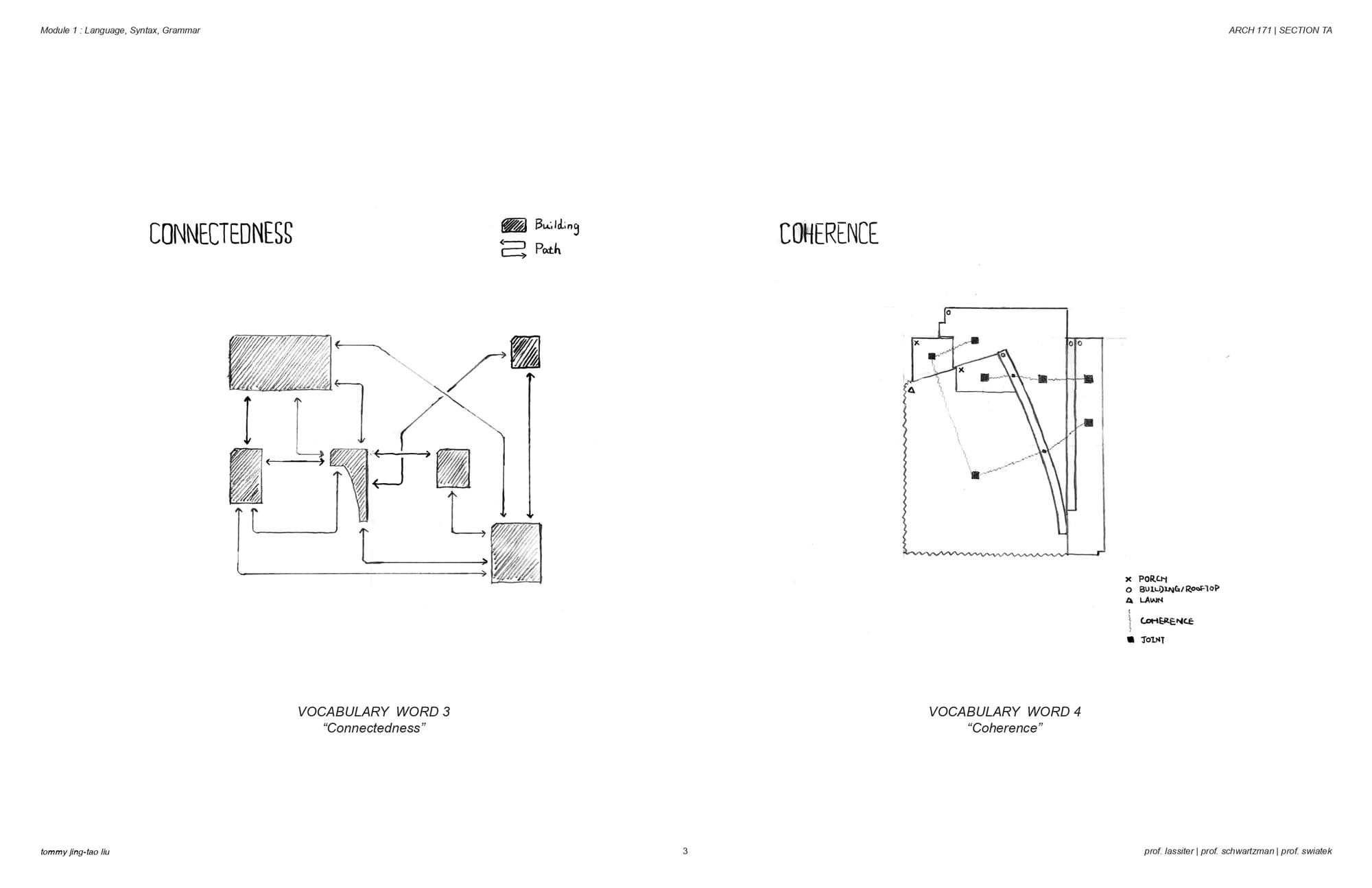
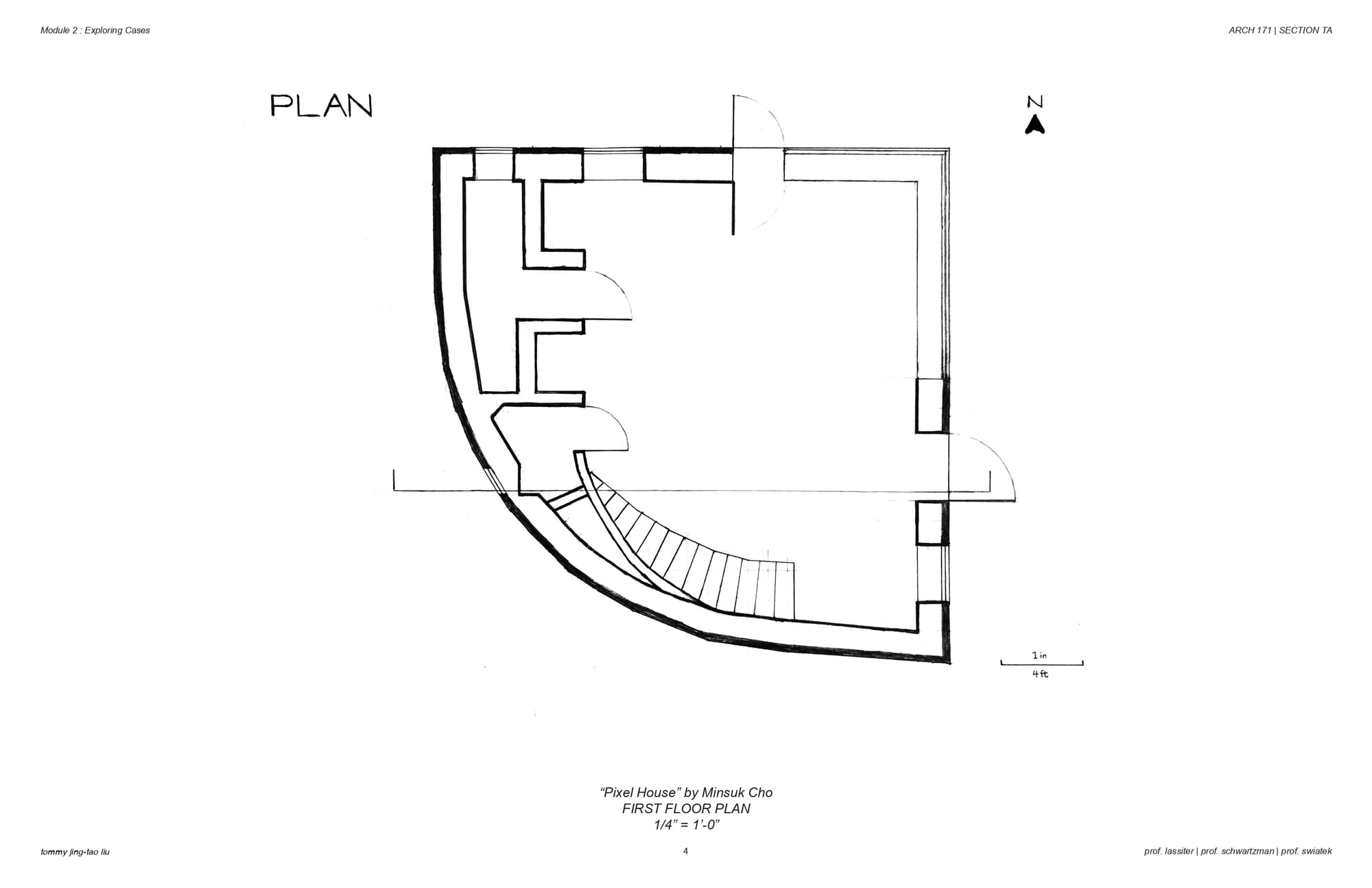
Final Compendium
I was excited to share my work at the end of the semester. During a group presentation where all students’ projects were displayed in the lounge of Temple Buell Hall, I felt that being an architecture student is something quite special. The environment was formal yet enjoyable. Architecture sits at the intersection of art, design, and engineering, and that combination gives it a strong sense of professionalism and purpose.
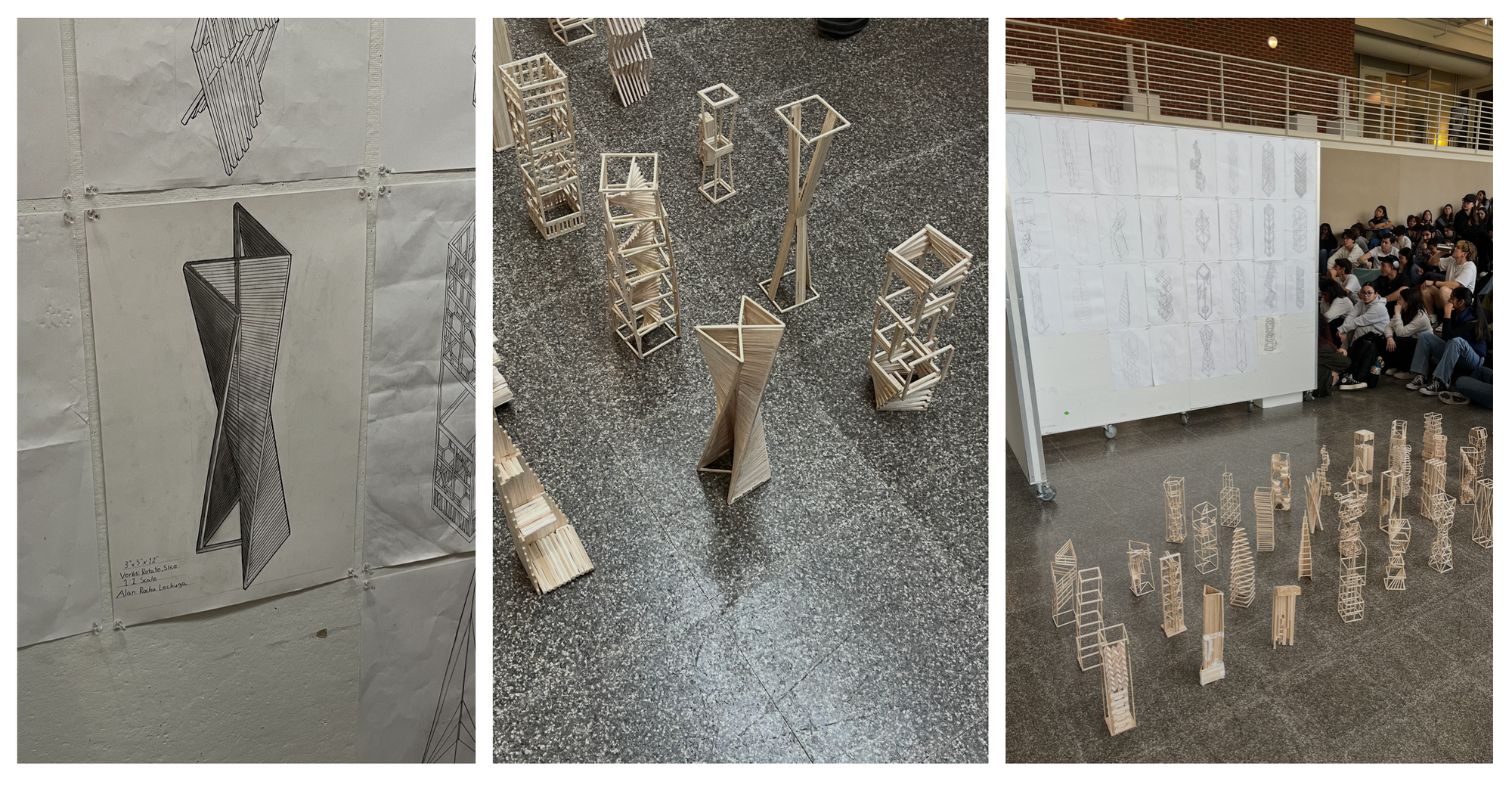
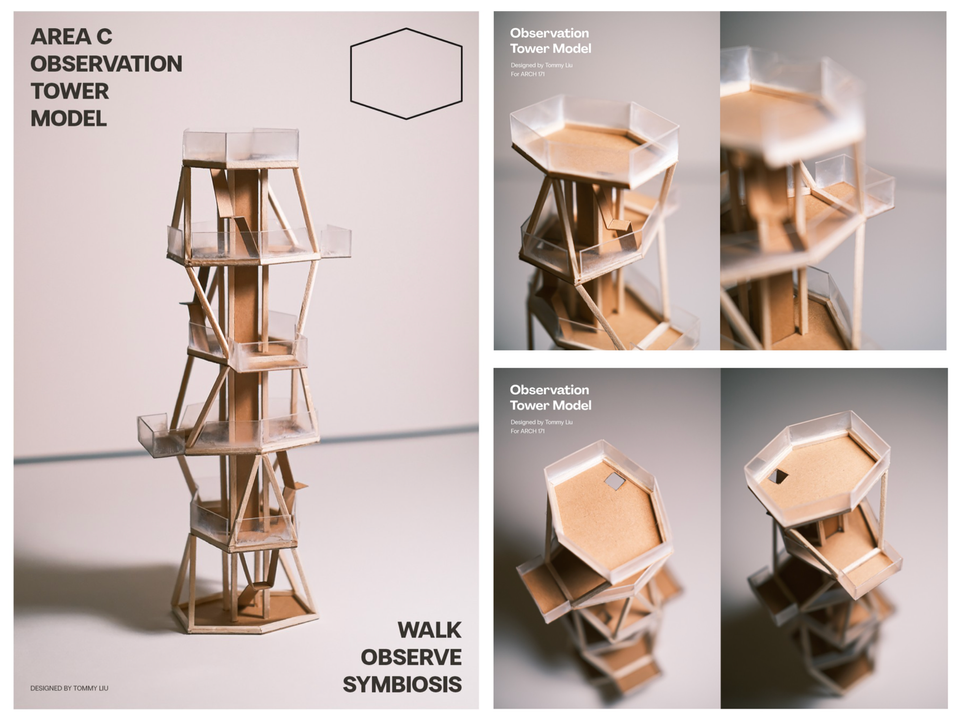
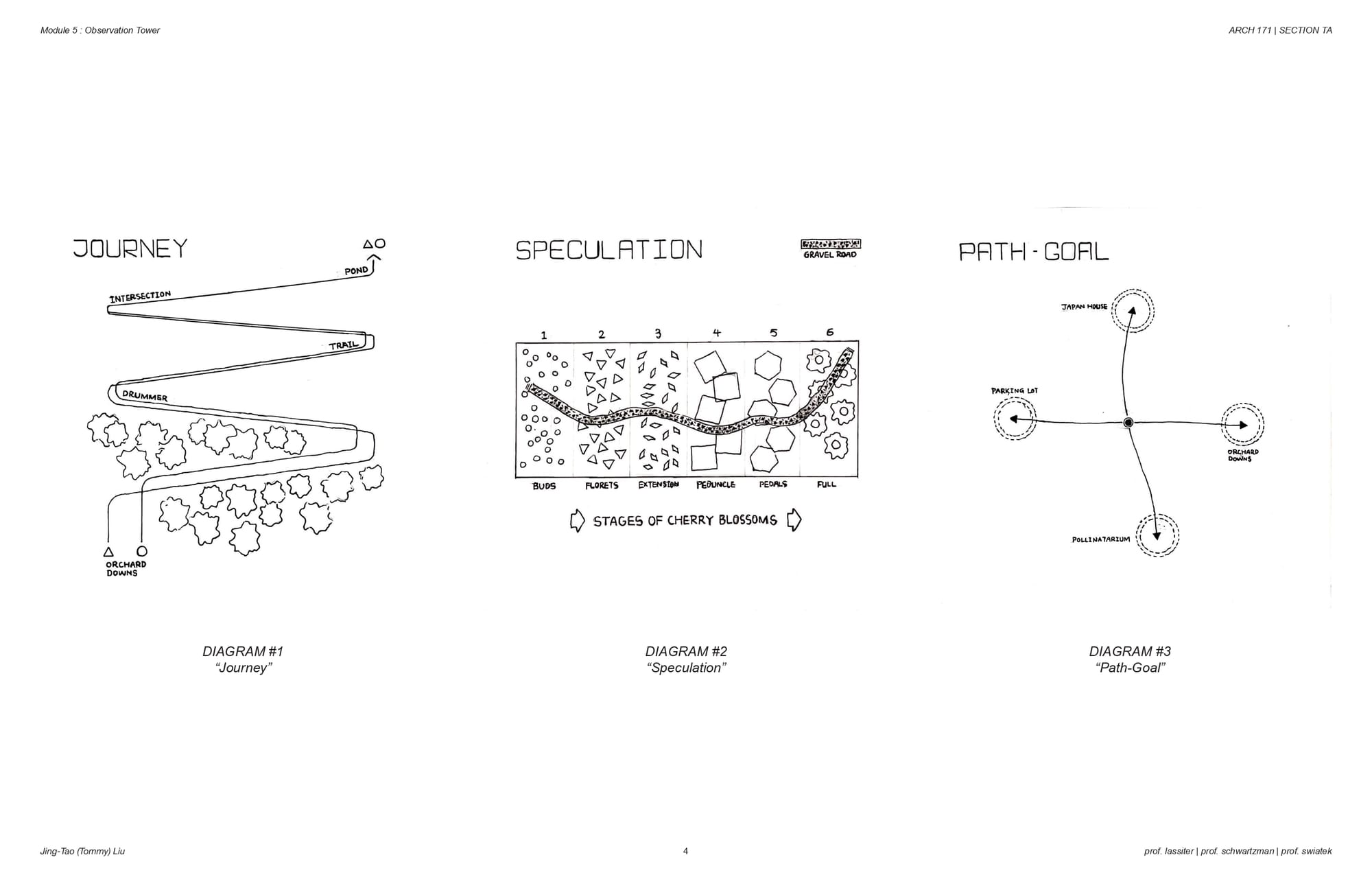
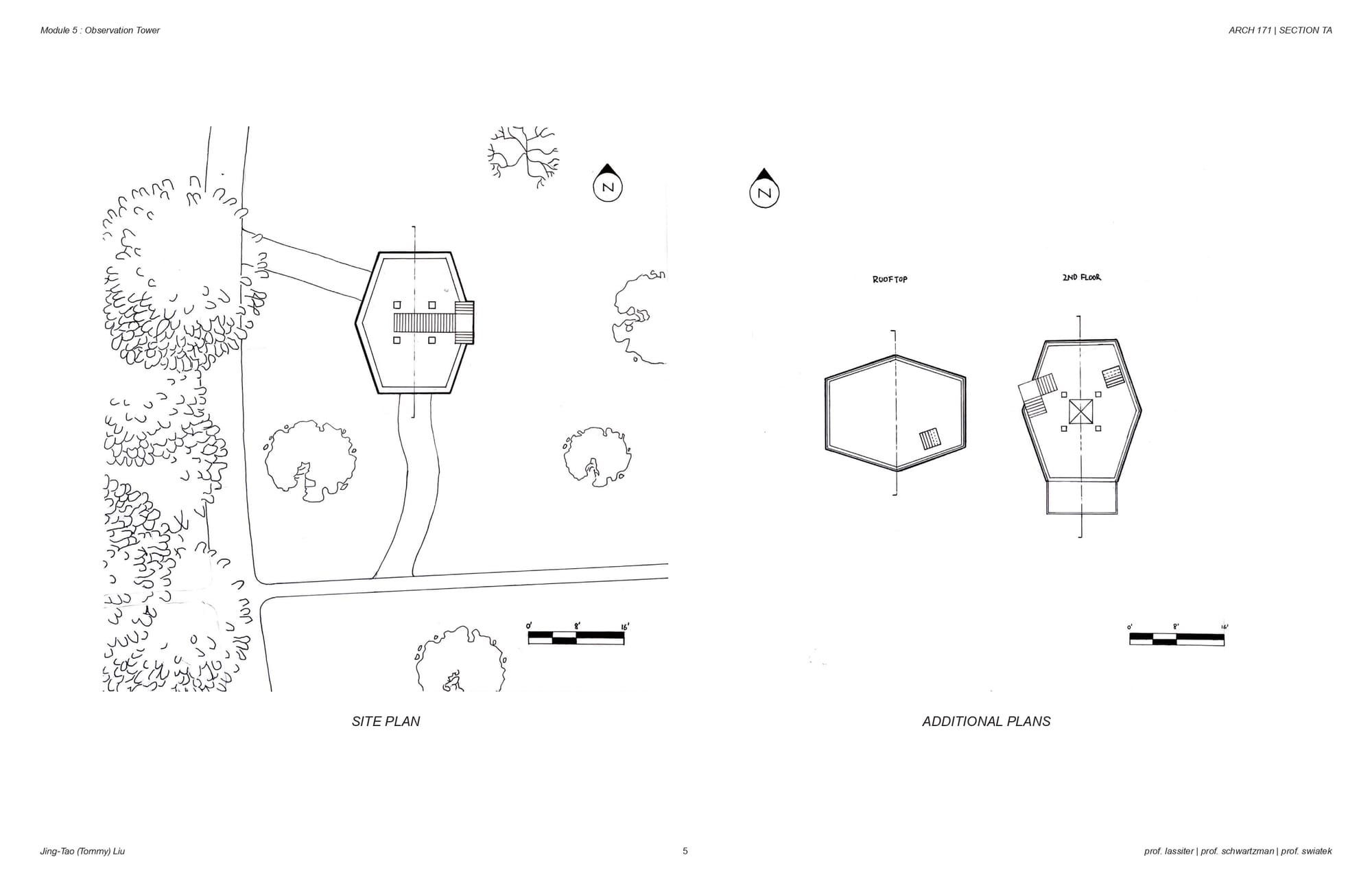
Let me briefly walk you through my process for this miniature project. We were asked to design an observation tower for one of three sites in the University Arboretum near the Japan House—a peaceful and picturesque area. I chose Site C, located south of the Japan House, with lush greenery and an open corner where I placed my tower. I used to live near the arboretum and visited it often, so I felt a personal connection to the site.
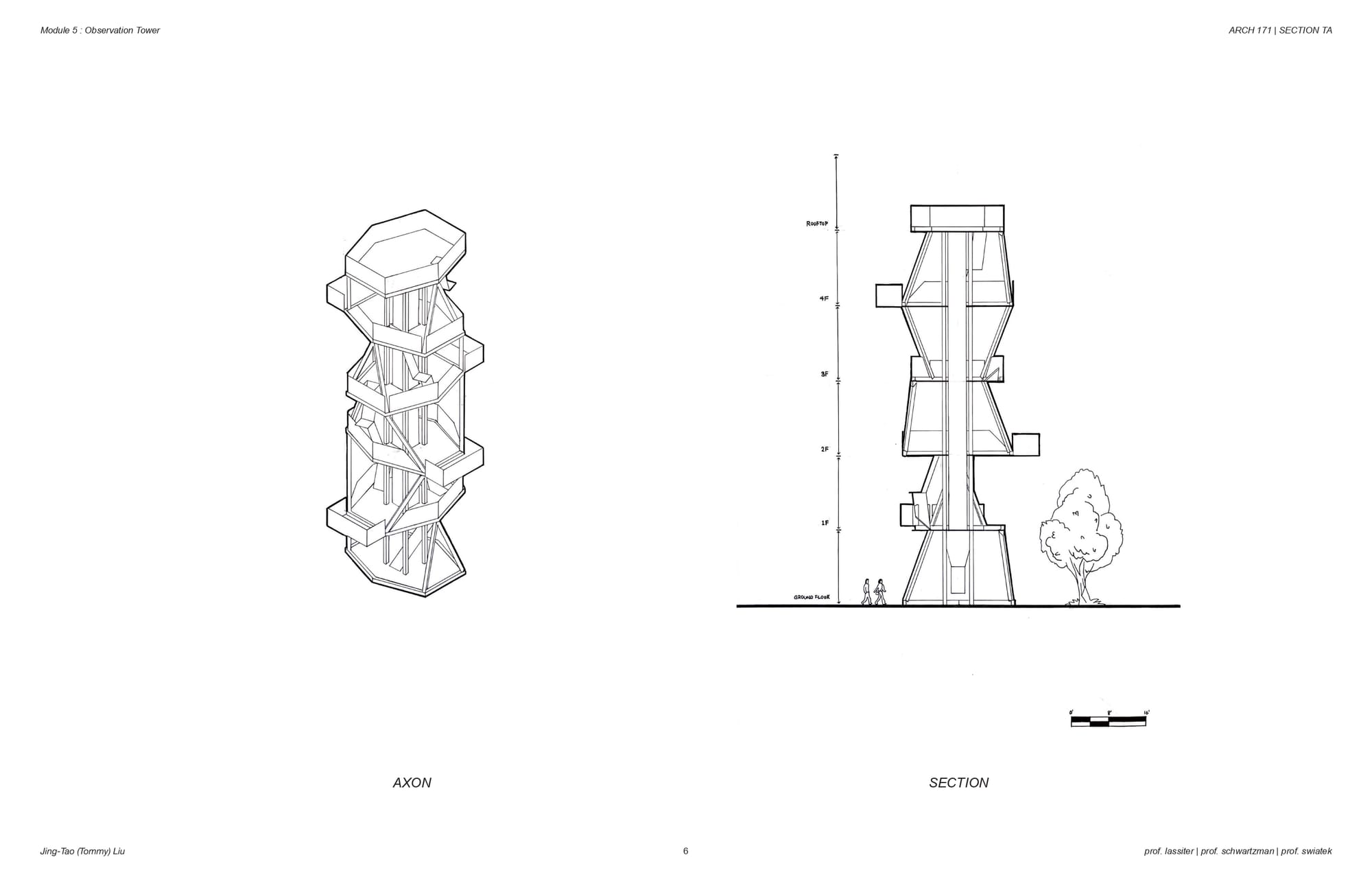
Inspired by the traditional hexagonal gates of Suzhou Gardens, I wanted the design to blend naturally with its surroundings. Each floor of the tower rotates 90 degrees, offering distinct views:
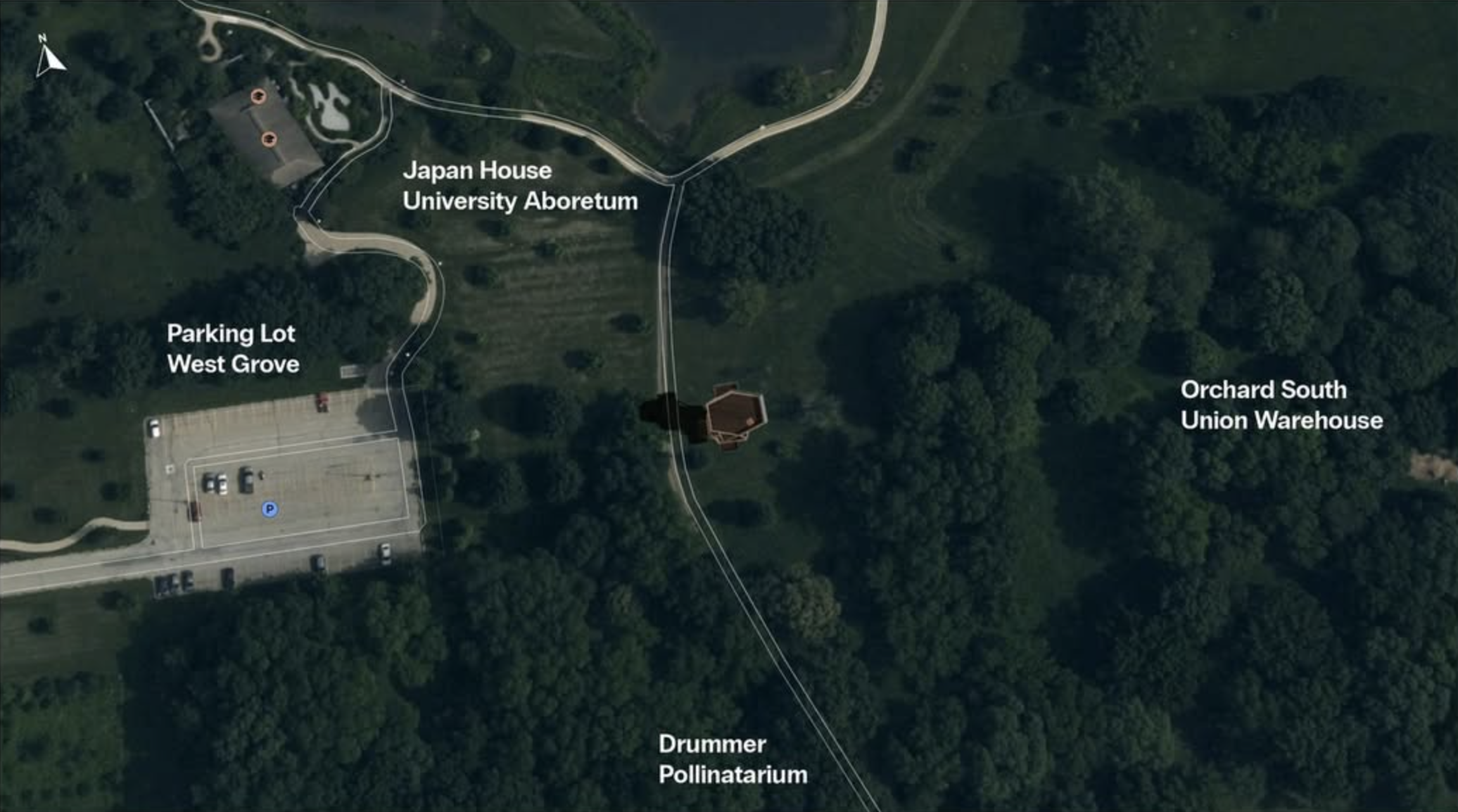
- the west grove and Japan House parking lot,
- the south grove and Pollinatarium,
- the Orchard Downs housing community to the east,
- and the Japan House and Idea Garden to the north.
The open ground floor creates an inviting entry, while the rooftop offers panoramic views. Visitors ascend via stairs or an elevator, and the structure is supported by four main pillars.
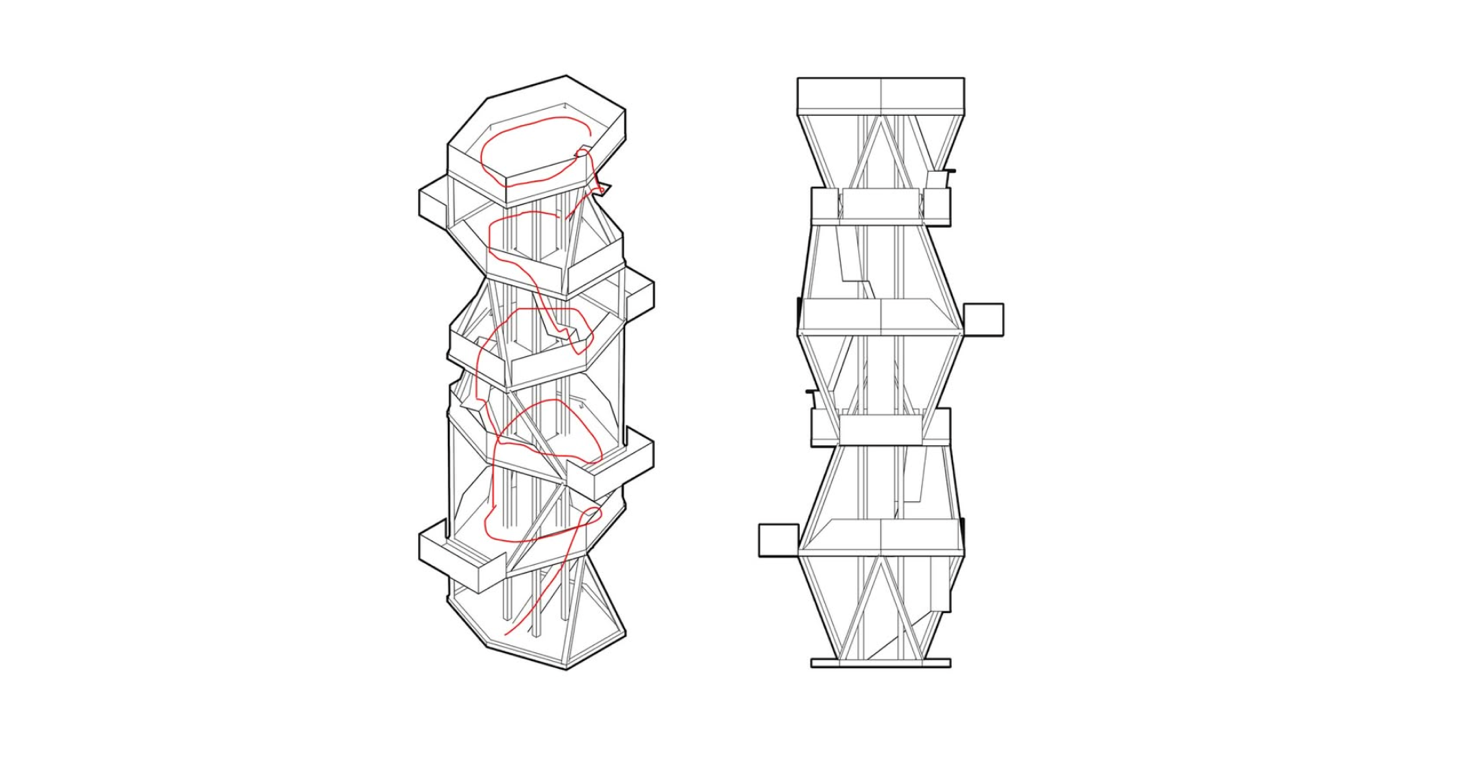
The idea behind this project aligns closely with my love for wandering and exploring spaces. Walking through Area C gave me a strong sense of connection to the natural elements—trees, wind, and weather—which directly shaped the design approach behind my work. As "Walking as Research Practice" beautifully states: “We knead, imprint, trample, and leave traces, whether we want to or not.”
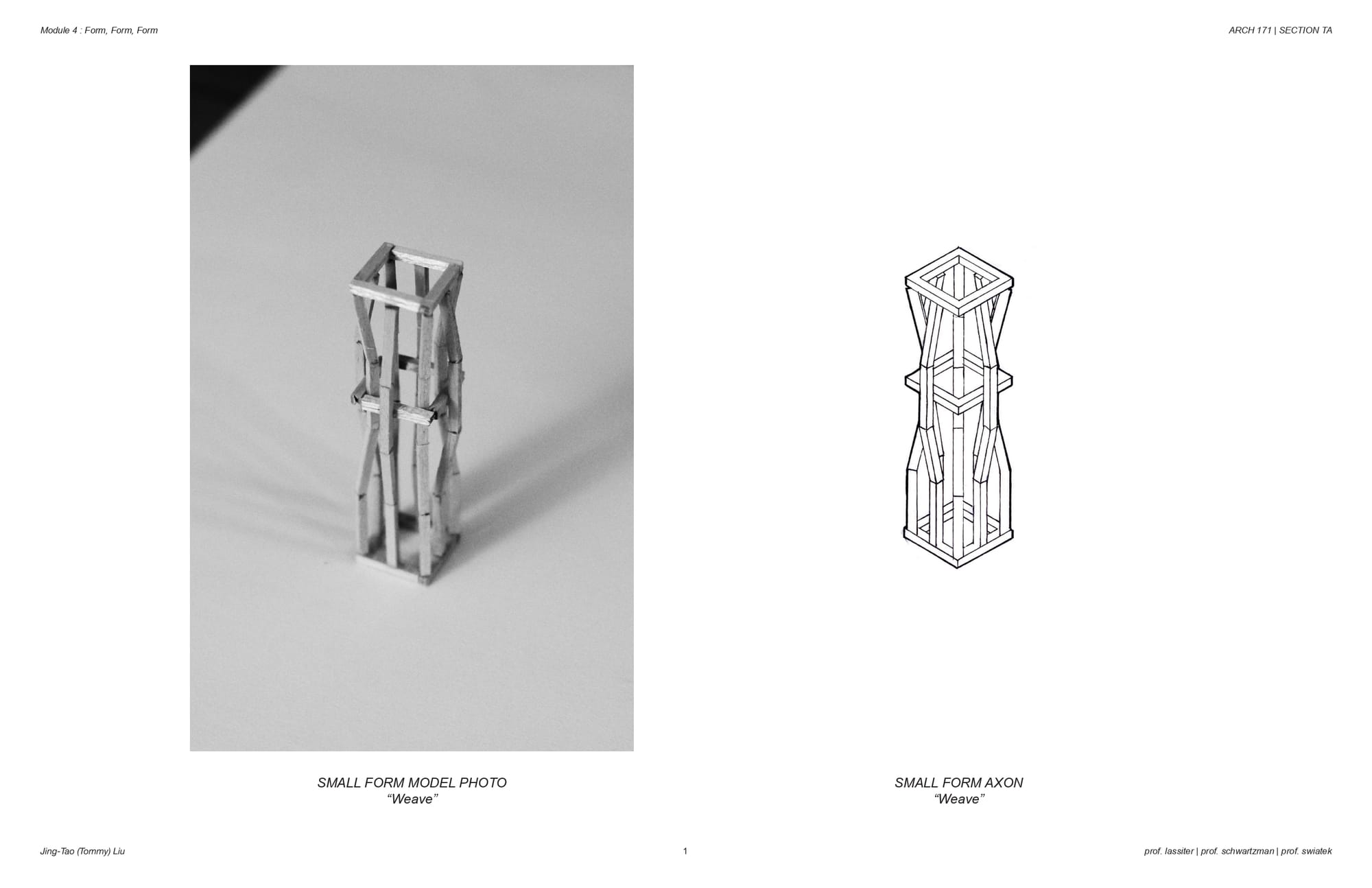
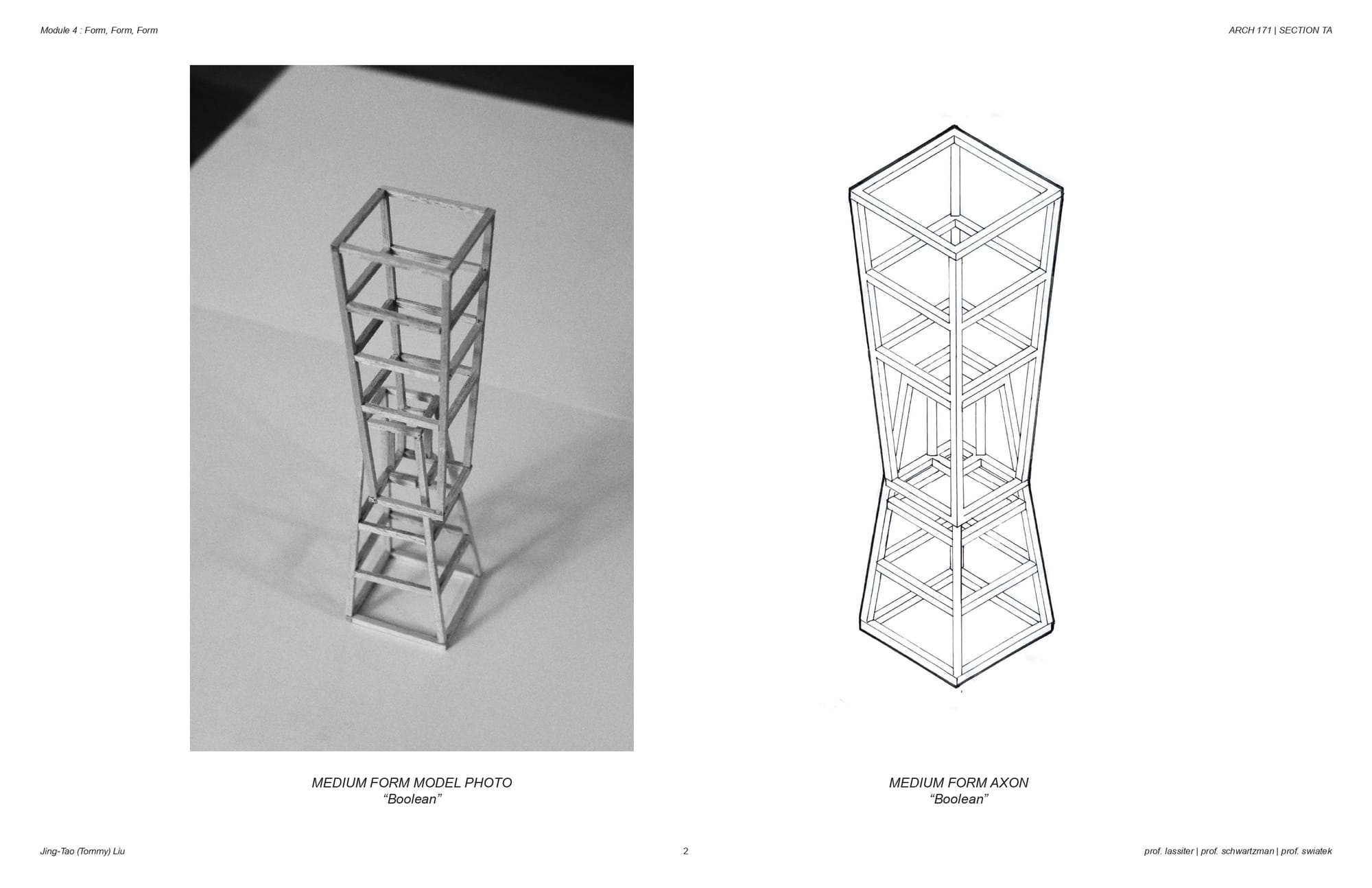
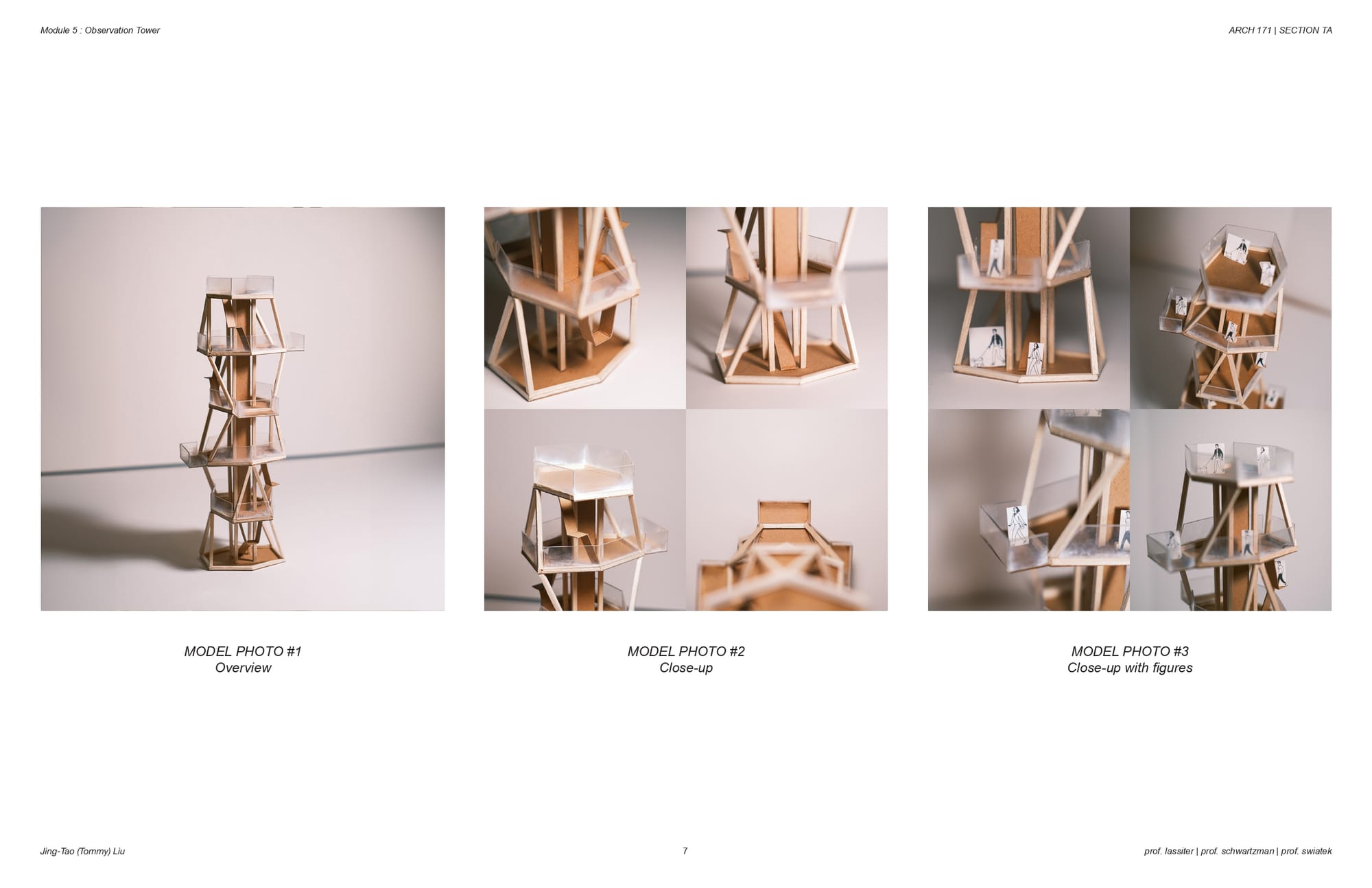
When I finished school last summer and moved back to the Bay Area, I brought this model with me on the airplane, carefully wrapped in foam. The good news was that it’s still intact, and now it sits on my desk every day.
Maybe someday, it will motivate me to design something bigger.